
1. Plastic Packaging Holds a Dominant Market Share
By material type, plastic cement packaging commands a dominant market share of 57.87% (2026), primarily attributed to its superior strength, durability, and moisture resistance. Paper bags and jute bags serve niche applications in environmentally conscious regions and specific local markets, respectively.
2. Valve Bags: A Critical Technology Enabling Automated Filling
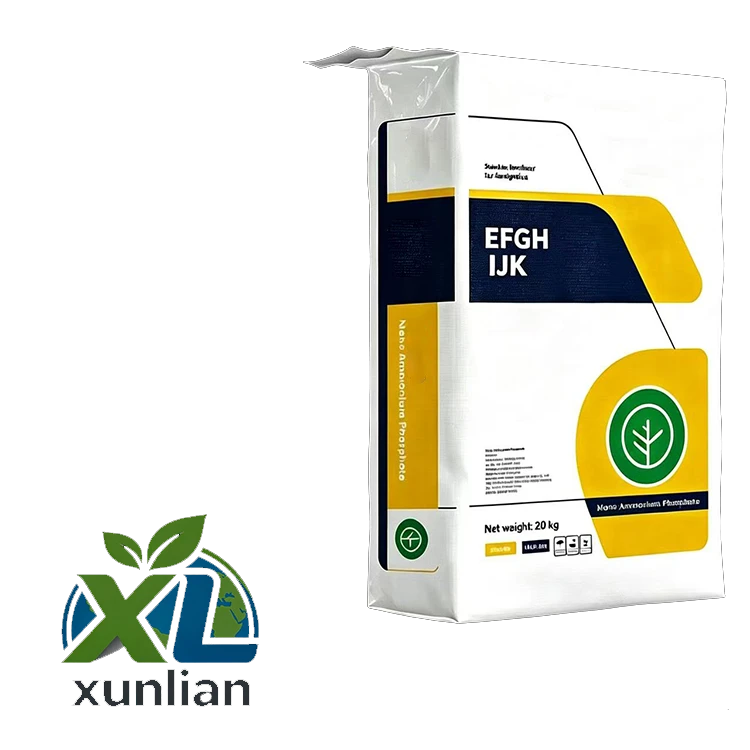
Laminated PP woven square-bottom valve bags are emerging as the standardized solution for exported cement packaging. Their key technical advantages include:
· Automation-readiness: The square-bottom valve design seamlessly integrates with high-speed automated filling lines, delivering exceptional palletizing efficiency and significantly reducing labor costs.
· Superior moisture and leak protection: The PP woven fabric undergoes a lamination process that forms a dense moisture barrier, effectively preventing cement from moisture-induced hardening during extended ocean voyages.
· Low breakage rate and reduced carbon footprint: The single-layer laminated structure offers significantly higher tensile strength than traditional multi-wall paper bags, substantially minimizing cement loss throughout the supply chain. Furthermore, an independent Life Cycle Assessment (LCA) has verified that its potential impact on global warming is even lower than that of multi-wall paper bags, positioning it as one of the most environmentally sustainable cement packaging solutions currently available.
· Brand visibility: The full-surface, high-precision printing capability enables clear brand communication and premium presentation, which is particularly valuable for exporters seeking to differentiate themselves in competitive overseas markets.